ZED ZONE Vehicles Guide: Cars, Bicycles, Forklifts and Driving Tips
Every ZED ZONE vehicle: gasoline cars and repair kits, bicycles with baskets, electric forklift and autonomous test car, plus driving tips.
FAQ
How do I repair a car in ZED ZONE?
Where do I find a bicycle in ZED ZONE?
What vehicles were added in the 1.0 update?
What Vehicles Are in ZED ZONE?
Vehicles are the single biggest multiplier on your loot-per-hour in ZED ZONE. The island is large, corpse runs are long, and every backpack trip you can convert into a vehicle haul pays for itself. Four vehicle families exist as of version 1.0.11, last verified November 8, 2026 — the confirmed gasoline car, the bicycle, the electric forklift and the autonomous test car. Vehicles also appear on the PDA map page, which makes them recoverable after long expeditions and worth tracking like any other resource.
How Do Cars Work: Fuel, Damage and Repairs?
The car is the classic workhorse. It runs on gasoline, and it takes damage when it hits objects or enemies — collisions are not cosmetic. Repair it with a Vehicle Repair Kit, which sits in the item database as a dedicated repair item alongside the item repair kit for gear. Keep one kit in the trunk and one at base, because a disabled car full of loot on the far side of the map is a logistical nightmare that turns a good run into a double corpse run.
Driving strategy matters more than the car itself:
- Never fight from the driver seat against Boomers or Breakers. One acid pool under the chassis turns a repair bill into a recovery mission.
- The PDA map page shows vehicle locations. Mark your parked car before entering a large POI so you can navigate back under pressure.
- Plan fuel like ammunition. Gasoline is a scavenged resource with no guaranteed spawn rhythm; a dry tank in the orange fog zones is how radiation gear gets stress-tested.
Note the 1.0.10 hotfix repaired a multiplayer bug where guests could not see the host vehicle — if you play co-op, confirm your passenger actually sees the car before driving off.
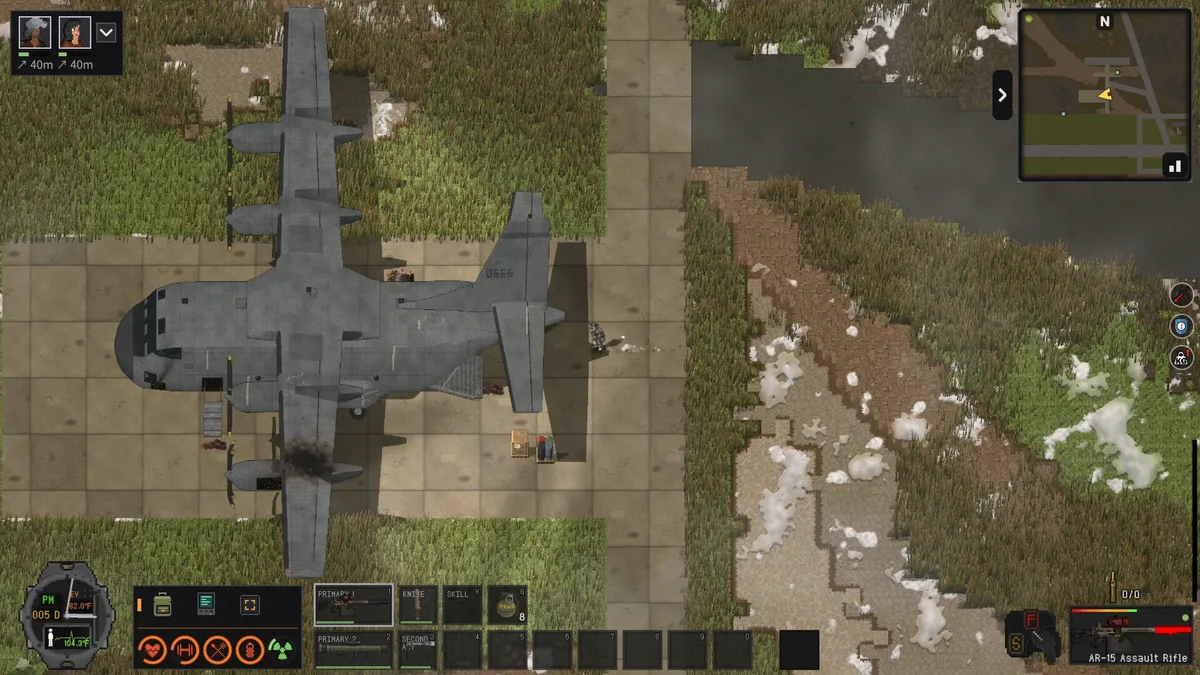
Are Bicycles Worth Using?
Bicycles arrived in 0.9.99.9.1 and are the silent option. You find them near houses, shops and roadsides rather than crafting them, and they come with a cargo basket — the key detail that makes them more than a novelty. A bicycle is free to run, makes no engine noise, and never needs a repair kit or fuel stop. For short-hop scavenging circuits near your base, the bicycle beats the car on efficiency: you leave at dawn, clear three streets, and pedal home with a full basket while the horde never learns your name. New survivors should grab the first one they see; the beginner guide folds bicycles into the day-one route.
What Are the Electric Forklift and Autonomous Test Car?
Update 0.9.99.9.7 — the final beta before 1.0 — added two industrial entries alongside a full road and building rework of the main island:
- Electric forklift: a slow, sturdy hauler built for moving heavy cargo short distances. Exact cargo capacity and charge behavior are Community verification in progress.
- Autonomous test car: a self-driving experimental vehicle. How its autonomous routing works with the new waypoint system, and whether it can be commanded or only ridden, is Community verification in progress.
That same update added map waypoints, which transform vehicle logistics: plot a route before you drive it, and mark fuel stops and danger zones on the way. With the 1.0 map rework redrawing the island road network, waypoints are how you rebuild a mental atlas of a changed world.
Where Do I Find My First Vehicle?
None of the four vehicle families is crafted — every one is found in the world. Cars are discovered parked around the island and tracked on the PDA map page; bicycles lean against houses, shops and roadsides; the forklift and test car appear as the industrial-tier discoveries of the late beta. The practical search order for a fresh survivor: bicycle first, because it is free and silent; car second, once you can afford to keep fuel and a repair kit in reserve; exotic haulers last, once waypoints and base logistics make their specializations meaningful. Remember that parked vehicles are persistent landmarks of your save, so a found car stays found — park it deliberately, mark it on the map, and treat fuel as the true ownership cost.
What Is the Best Driving and Cargo Strategy?
One principle organizes everything: vehicles are cargo multipliers, not weapons. Three habits:
- Route by fuel. Gasoline is a finite scavenged resource; bicycles and foot travel cover the short legs so the car only runs long hauls. Pair fuel discipline with the crafting chain — bases near fuel sources are worth more than bases near loot, as covered in the base building guide.
- Pack repair redundancy. A Vehicle Repair Kit in the trunk, spare fuel in the basket or back seat, and a planned fallback route if the car dies. If your crafting is online, repairing kits at your stations is cheaper than finding new ones — see crafting and workbenches for the production side.
- Respect the collision model. Every hit costs durability, so thread gaps instead of smashing fences — and never use the car as a Breaker-killing ram.
Finally, remember that vehicles persist with your world save. If you need to back up a prized car or recover a corrupted world, the process lives in our save file location guide.
The endgame picture rounds this out: the Escape Vessel finale asks you to haul repair materials across the map under pressure, and Horde Mode rewards teams that can shuttle supply drops between waves. In both cases the player with a fueled, repaired vehicle and a rehearsed route solves problems that backpacks cannot. Learn the roads before you need them, and the island stops being a maze and starts being a supply line.
Related Articles
items
ZED ZONE Companions Guide: Equipment, Affinity and How It Works
How the ZED ZONE companion system works in 1.0: companion equipment, the affinity system added in 0.9.99.9.1, and what is still unverified after the 1.0 launch.
items
ZED ZONE Crafting Guide: Workbench Chain and Chemical Bench Recipes
ZED ZONE crafting guide: workbench unlock chain, Chemical Bench recipes for sulfuric acid, nitric acid, glue and nitrate powder, Medicine Bench unlock.
items
ZED ZONE Metal Component Guide: Farming and Every Advanced Use
Where to get metal components, mechanical, alloy and CNC components in ZED ZONE, plus the Spider Robot drop table and every crafting use for the component family.
Was this helpful?
Thanks for the feedback!